

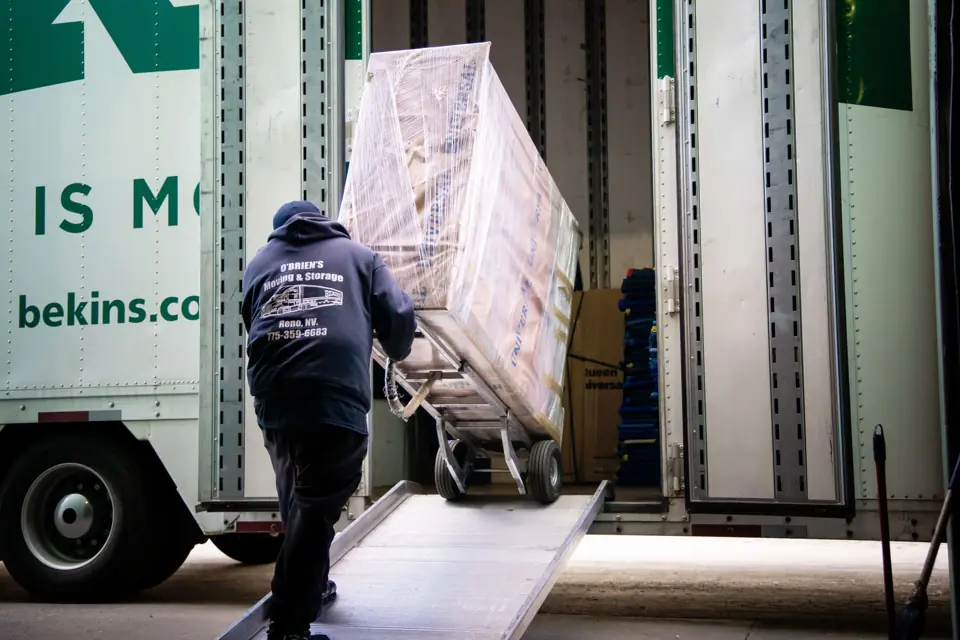
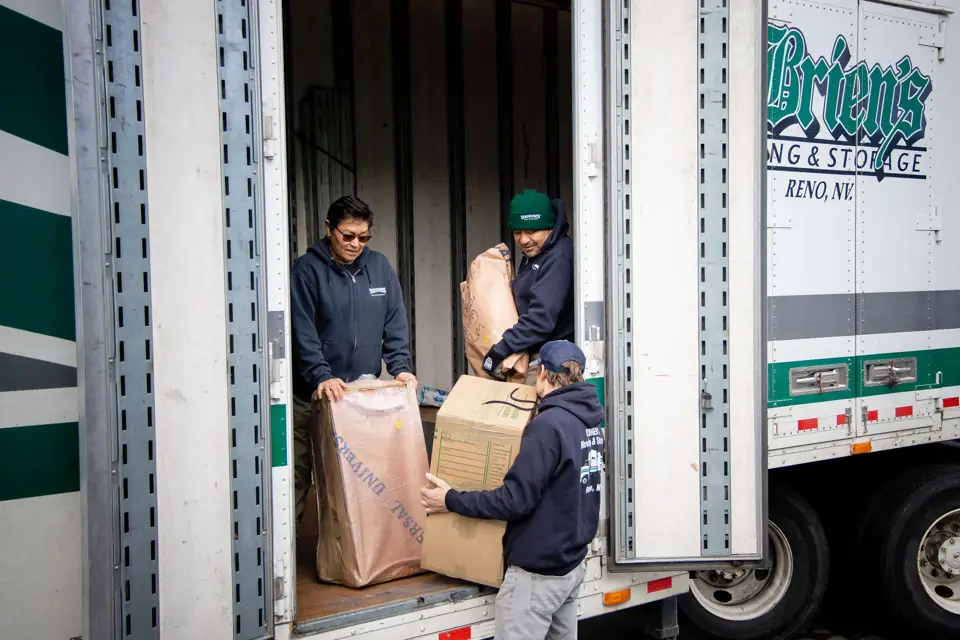
The inventory looks like a long, dull form, and on loading day it can feel like it slows the crew. It is the single most useful piece of evidence if something is damaged, because it records what existed and in what condition before the truck pulled away.
How the mover builds it
For each shipment, the mover prepares a written, itemized inventory that identifies every carton and every item not in a carton. An identification number matching the inventory is placed on each article. The inventory is prepared before or at the time of loading and in a way that lets you observe and verify its accuracy. The mover also lists any damage or unusual wear on each item, which is why the crew walks around a sofa or a dresser before wrapping it.
At O'Brien's, an itemized inventory and condition report comes before packing begins, so you can see what the crew sees.

What to check line by line
- Every carton and piece of furniture is on the list, including items in the garage or shed.
- The condition notes match what you see: scratches, chips and worn spots should be recorded now, not found later.
- Descriptions are specific enough to identify the item, for example a dining table with two leaves rather than just table.
- Numbers on the stickers match the numbers on the pages.
- High-value articles are flagged, and you have notified the mover in writing (see high-value inventory).
Signing and copies
Both you and the mover sign each page. A complete copy, signed by both of you, must be provided to you with a copy of the bill of lading before or at loading. You have the right to note any disagreement before signing. Attach the whole inventory to your copy of the bill of lading, because it is part of that contract.
At delivery
On delivery day, check the items arriving against the inventory. The mover must give you the chance to verify that the same articles are being delivered and note any missing articles or damaged ones in writing, and to receive a copy of those notes. Sign the mover's copy only when it is accurate. If you find something wrong, begin with the claim guide.

Keep your own list too
A personal inventory with photos of valuable and fragile items, serial numbers for electronics and a note of what is in each box makes unpacking easier and supports a claim. The inventory builder helps you list belongings room by room before the estimator visits, and the result is useful again at the packing stage.