


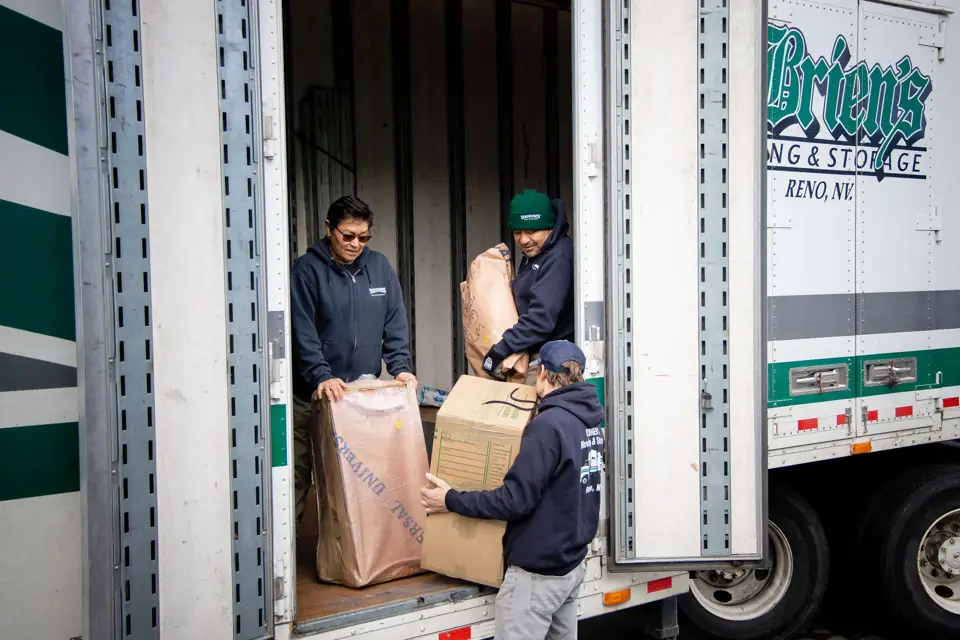
The city streets of Reno and Sparks are plowed and usually manageable, so most of the winter driving advice for newcomers is about the mountains. The Sierra Nevada is the way to Sacramento, the Bay Area and Lake Tahoe, and a household that arrives in December should plan for the pass before it plans for the valley.
Snow in the valley versus snow on the pass
The NOAA normals for Reno-Tahoe International Airport show 20.9 inches of snow a year, with 5.2 inches each in December, January and February. Snow of at least a tenth of an inch falls on about 14 days a year, and the airport records a freezing low on about 122 nights. Those numbers describe the valley floor.
Donner Summit on I-80 sits at about 7,200 feet by USGS elevation, roughly 2,800 feet above O'Brien's Sparks warehouse. Storms that leave rain in Reno can drop snow on the pass, and the road can slow or close while the weather clears. Seasonal closures are routine on the smaller passes: the Caltrans winter driving page lists yearly closure dates for Ebbetts, Monitor, Sonora and Tioga passes.
How chain controls work
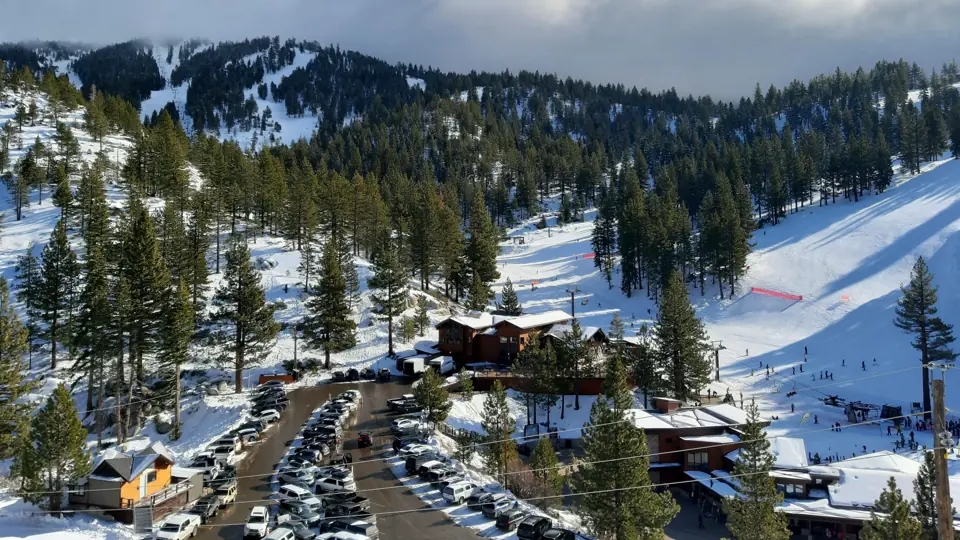
Caltrans explains that when chain controls are established in California's mountains, signs along the road indicate the requirement. You must stop and put chains on when the signs say chains are required, and you can be cited by the California Highway Patrol and fined if you do not. There is usually about a mile between the Chains Required signs and the checkpoint where the requirement applies, and the speed limit when chains are required is 25 or 30 miles an hour.
Chains must be installed on the drive wheels, so you need to know whether your vehicle is front-wheel or rear-wheel drive. Caltrans advises carrying chains that fit your tires and practicing the installation once in a dry driveway. Chain installers, where they operate, are independent businesses and not state employees, and they cannot sell or rent chains.
Check before you go
- Look at Nevada 511 (nvroads.com) for Nevada roads and Caltrans QuickMap for California chain controls, closures and cameras.
- Check the National Weather Service Reno forecast for the pass, not just the valley.
- Fill the tank before the climb, because delays and detours happen in storms.
- Carry chains, a scraper and brush, a shovel, gloves, water, snacks and a blanket.
- Leave extra time. Caltrans notes that trips to the mountains can take longer in winter.
Safe habits on snow and ice
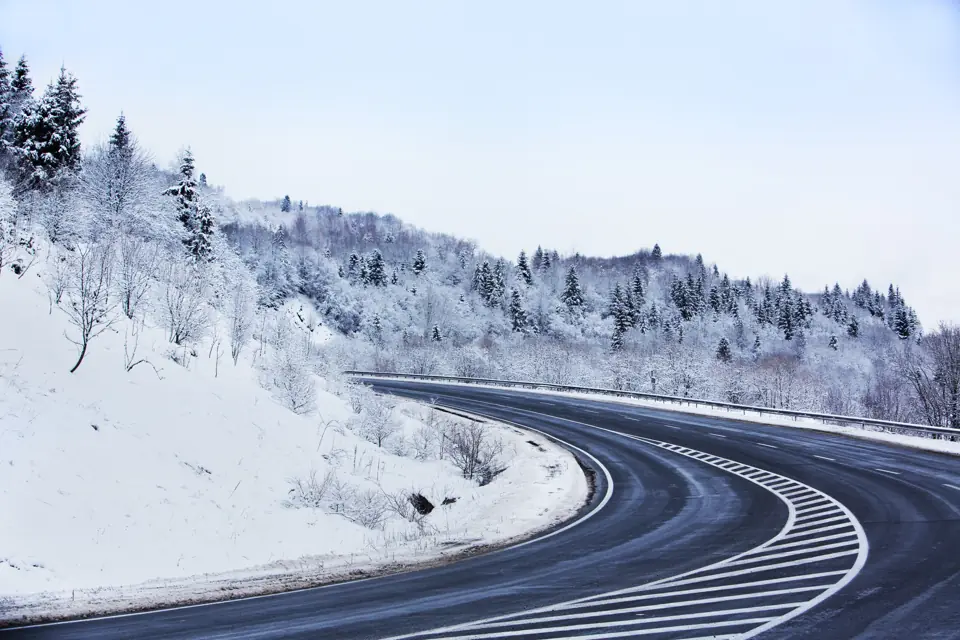
Caltrans' advice is to slow down, since a highway speed of 65 can be unsafe on snow and ice, to leave more distance, and to avoid sudden stops and quick direction changes. Bridge decks and shady spots can be icy when other areas are not. Stay at least four car lengths behind snowplows and do not pass them unless you must. If you stall, stay with your vehicle and run the engine only as needed, checking that the exhaust is clear.
If your move crosses a pass in winter
A winter move from California is common, and it is as ordinary as a summer one with a little more watching of the forecast. Your written estimate sets your delivery window, so ask your estimator how a storm day would be handled before you book. Keep your own essentials with you in the car, not on the truck: medications, documents, a phone charger and a few days of clothing.
The moving in winter guide covers loading at the origin, the mountain pass data page lists the passes by route, and the altitude page describes how elevation changes the drive. Truckee and Lake Tahoe households can read the Tahoe area page.