


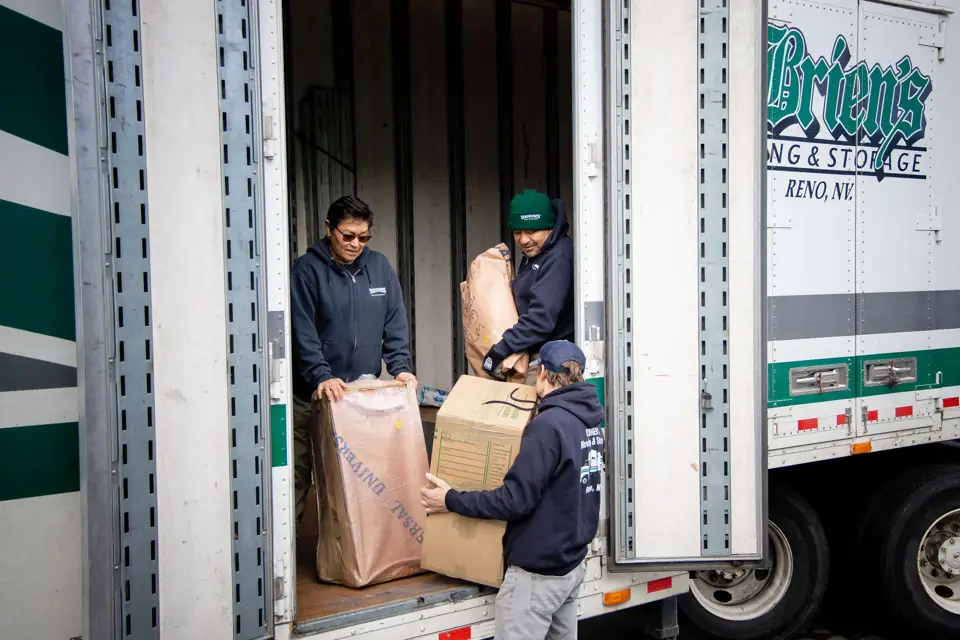
Box counts are the number that most often goes wrong in a move. Too few and you pack the last room into trash bags; too many and you pay for supplies you carry back out. A careful count takes ten minutes and a notepad.
Count what is in the room, not the room
A bedroom with a built-in closet needs more boxes than the same room with an empty closet. Walk each room and count what sits in cabinets, on shelves and in drawers. Books are the clearest example: a short run of shelf holds many small boxes, because books need a small box to stay light enough to lift.
The kitchen is the next largest count, followed by the garage. Start there, since a kitchen and a garage hold more small, heavy and odd-shaped items than any other room.

Match the box to the contents
- Small boxes: books, records, canned food, tools, anything heavy.
- Medium boxes: kitchen items, toys, small appliances, shoes.
- Large boxes: lightweight items such as pillows, linens and lampshades.
- Wardrobe boxes: hanging clothes, so nothing is folded and wrinkled.
- Dish and glass cartons: fragile kitchen items with dividers or padding.
- Specialty cartons: mirrors, pictures and flat-screen TVs, packed upright.
Use the calculator, then add a margin
The packing calculator on this site turns a list of rooms into a starting box count. Treat the result as a floor. Add a margin for the things you will find in the back of a closet and for items you buy before the move. If you have a lot of books, art, or a full workshop, add more.
Boxes and supplies are sold at the Sparks office, so a mid-move top-up is a short trip. See boxes and supplies.
Let the crew pack part of it
You can pack some rooms and hand the rest to the crew. Box packing only means the crew packs into your boxes, and partial packing covers chosen rooms. Either way, the count shrinks for the rooms you give away. Packing services lists the options.
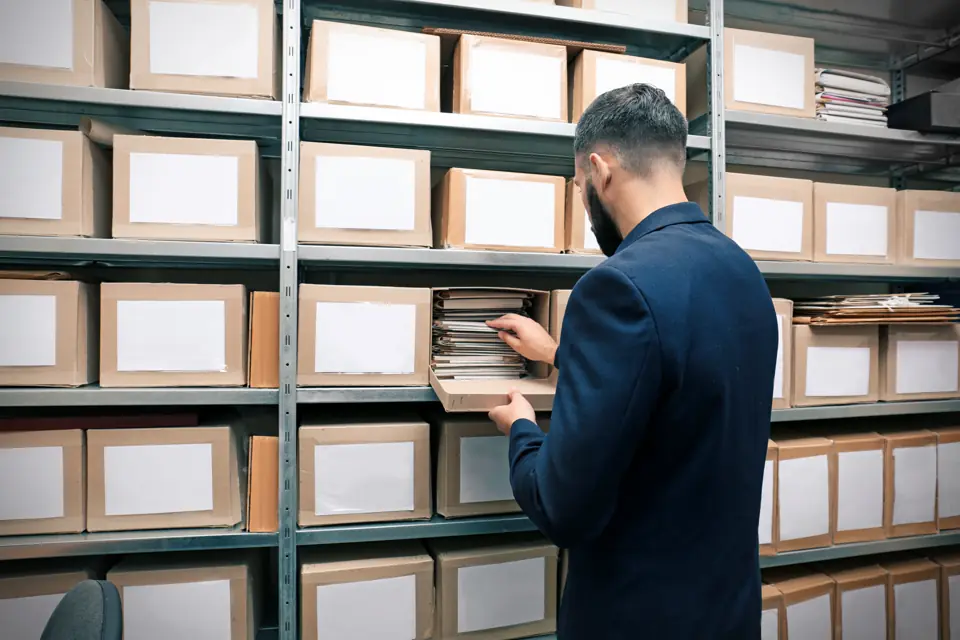
Pack by weight, not by size
Heavy items go in small boxes and light items in large ones. A box you cannot lift without strain will split a seam or injure a back. Tape the bottom twice, fill the gaps with paper and close the lid flat.