



The term comes from construction and hospitality, where the building is built or renovated by one team and furnished by another. FF&E is the second team's list. Understanding what counts, and how it moves, helps owners, designers and project managers who are furnishing a space. This guide explains the term and the work behind it.
What counts as FF&E
Furniture is the beds, chairs, desks, tables and sofas. Fixtures are items that are attached to the building but are not part of its structure, like some lighting, window treatments or built-in cabinets. Equipment includes kitchen appliances, televisions, fitness machines and similar items. The exact line between fixtures and building depends on the contract, so project teams define it in the specifications.
The IRS treats office furniture and fixtures as depreciable property, and Publication 946 explains the rules for depreciating them. Owners ask their accountants how a given purchase is handled.

Who uses FF&E
- Hotels and remodels: guest rooms, lobbies, meeting rooms.
- Restaurants: tables, booths, kitchen equipment.
- Dormitories: beds, desks and lounge furniture for students.
- Hospitals and healthcare: waiting rooms, offices, patient rooms.
- Senior-living communities: apartments and common areas.
- Apartment model rooms: furnished units that show prospects the finished look.
The FF&E sequence
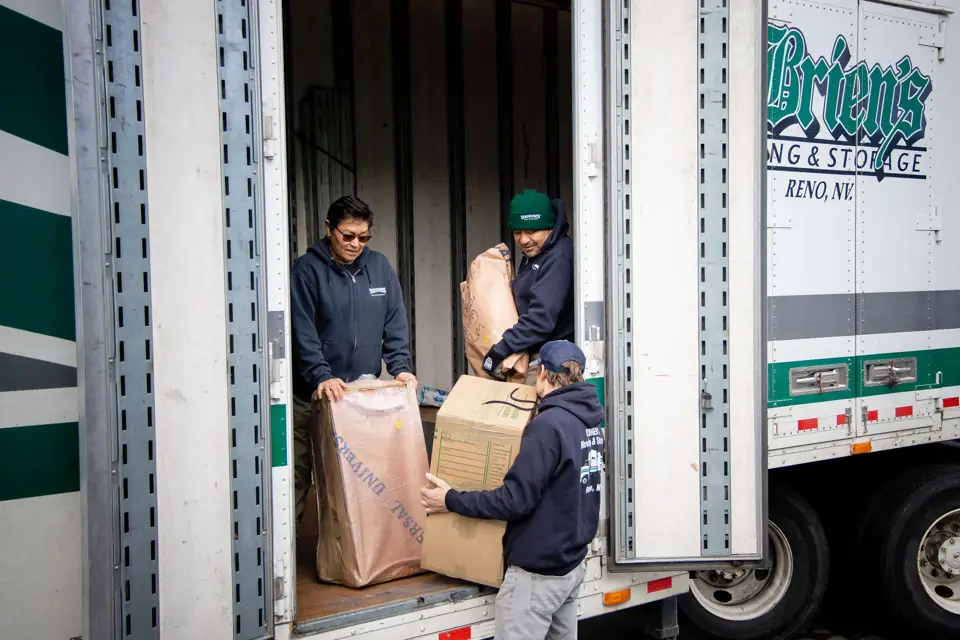
A designer or purchasing agent specifies the items. The factory ships them, often in pieces and from different places, to a receiving location. At the receiving dock, the crew counts the cartons, inspects them for damage and checks them against the order. The goods wait in a warehouse until the site is ready. Then a crew delivers them room by room, unpacks, assembles, places them and removes the packing.
Each step needs a record: a receiving report, a damage note, a location in the warehouse, and a delivery list. Without them, an order of two hundred chairs becomes a puzzle.
Why the warehouse matters
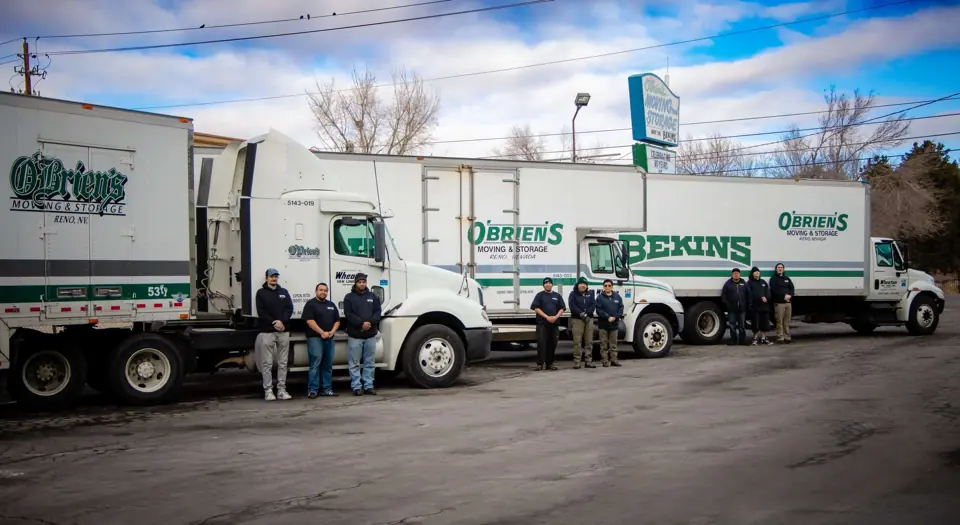
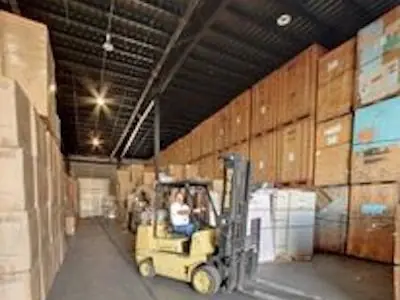
Furniture usually arrives before the building is ready. A warehouse holds it until the right floor is finished. O'Brien's runs a 30,000 square foot warehouse in Sparks with the office and truck yard at one site, and FF&E receiving, storage, delivery and installation is part of the company's commercial work. Designer warehousing covers the same steps for interior designers.
FF&E versus a regular move
A household move is one family and one truck. FF&E is many items from many suppliers that must arrive in a planned order. The crew works from a plan with room numbers and item tags. See hotel renovation FF&E logistics for an example, and what to ask an FF&E installer for a short list of questions.