


FMCSA's consumer booklet defines line-haul charges as the charges for the transportation portion of your move when a household goods mover transports your shipment. Everything else on a long-distance estimate, such as packing, stairs or storage, sits on top of that figure rather than inside it.
The transportation line on your estimate
Linehaul is the road part of a long-distance move. The truck, the driver, the fuel and the miles between the two homes are all paid for through this line, while the labor to pack and carry things is priced separately. On a move out of Sparks bound for another state, the linehaul line is the one that grows or shrinks with the weight of your load.
Because linehaul follows weight, the number of cubic feet you ship matters less than the pounds on the scale. A mover who quotes from a room-by-room survey converts that survey to an estimated weight, and the final linehaul follows the weight actually recorded.

How the weight is found
Federal rules (49 CFR 375.509) describe the usual method: the truck is weighed empty on a certified scale, loaded, and the difference is your billing weight. Each weighing produces a weight ticket, and you have the right to watch it happen. A shipment of 3,000 pounds or less can instead be weighed on a certified warehouse scale.
If the figure looks wrong, 49 CFR 375.517 lets you ask for a reweigh before unloading begins. Keep that right in mind when you read the weight ticket, because the reweigh has to be requested before the truck is unloaded.
What linehaul leaves out
Each of those items is written on the estimate as its own line, which is why two estimates with similar linehaul figures can total very differently. Compare the lines one at a time, not only the bottom number.
- Packing, unpacking and the cartons themselves
- Stairs, long carries and shuttle trucks at either home
- Storage in transit and warehouse handling
- Valuation coverage above the basic released-value level
- Third-party work such as appliance servicing
Linehaul on moves with O'Brien's
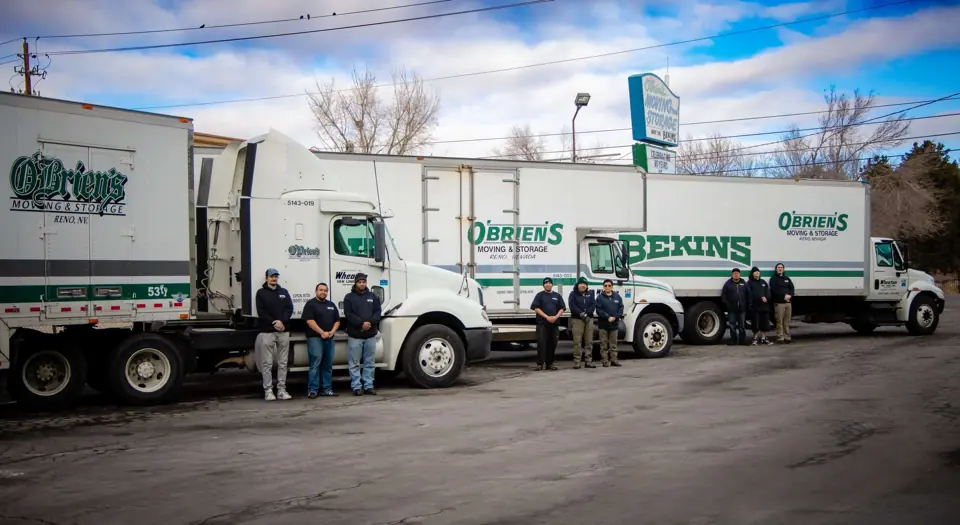
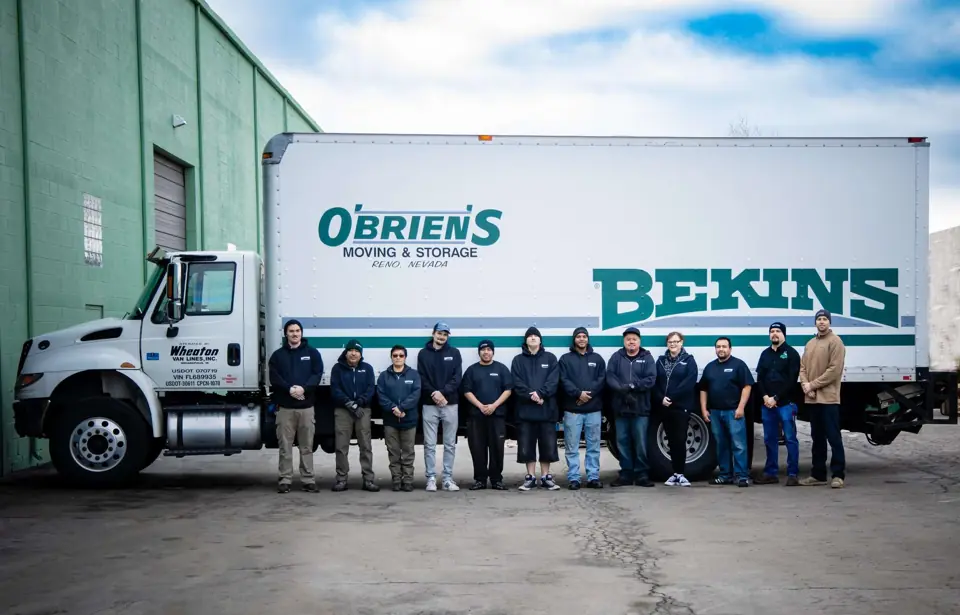
O'Brien's is a Bekins Van Lines agent, so a long-distance shipment from Northern Nevada moves over the Bekins network with the estimate, packing and loading done in Sparks. U.S. DOT No. 30611 and MC-109375 cover the interstate authority. Long-distance work is priced by weight, and the estimate is itemized so the transportation line is easy to find.
A move that stays inside Nevada follows the Nevada Transportation Authority's rules and an NTA-approved tariff rather than the federal weight rules. Your estimator will tell you which set of rules applies to your addresses.